Flower Font: A Decorative Typeface for Natural Designs
More Than Just Letters: Understanding the Flower Font
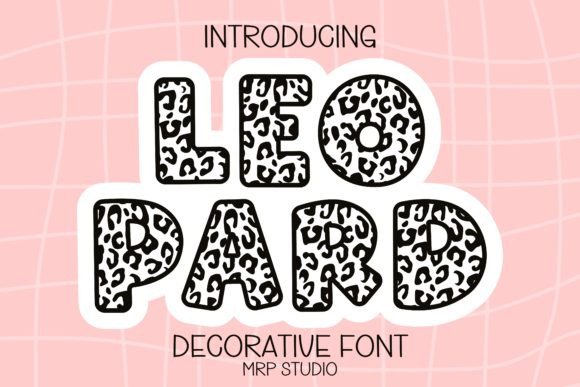
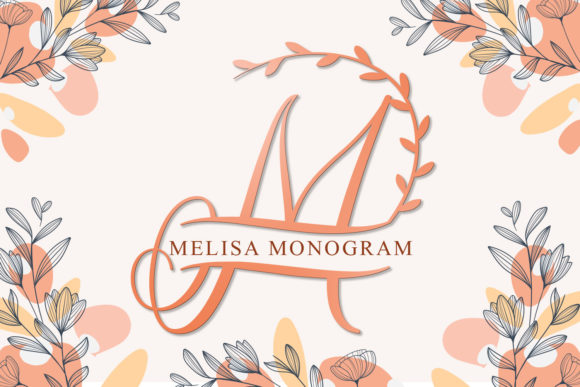
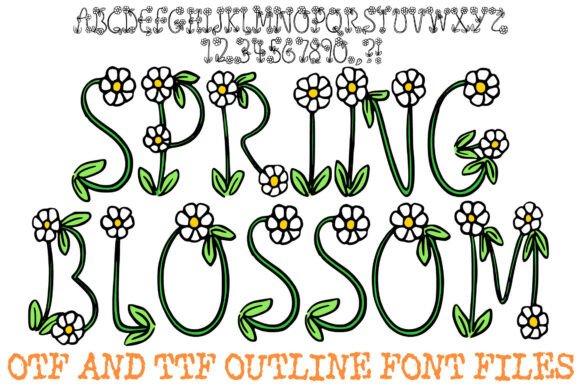
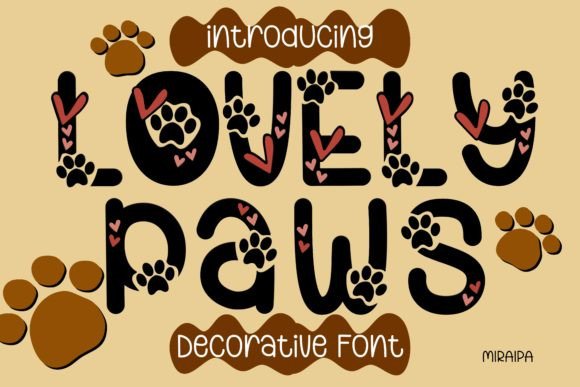
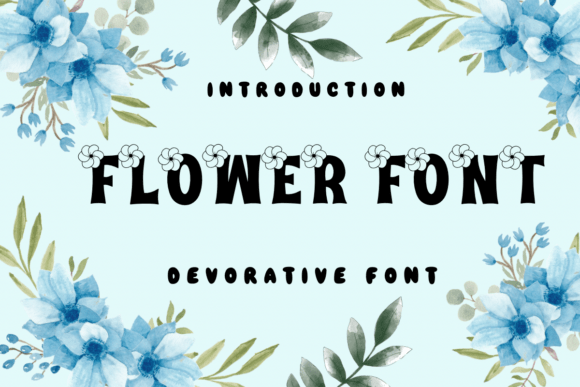
The Flower Font is a decorative typeface that immediately captures attention. At its core, it features bold, clear letterforms, but each character is adorned with delicate floral motifs—think blooming petals, winding vines, or subtle leaf accents integrated directly into the strokes. This isn't a standard serif font or sans serif font; it's a display font with a distinct personality. The visual result is a harmonious blend of strength and softness, creating a creative font that feels both artistic and approachable. Its inherent charm lies in its ability to convey a cheerful, romantic, or naturally elegant mood without a single word of accompanying text.
As a premium font, its design quality is evident in the consistency of the floral elements across the full uppercase alphabet. The decorations are carefully balanced to enhance rather than overwhelm the legibility of the letter shapes. This makes Flower Font a valuable design asset for projects where a handcrafted, whimsical, or organic aesthetic is desired. It moves beyond the fluidity of a script font or the casualness of a handwritten font, offering a structured yet decorative alternative that stands out in the world of modern typography.
Where This Floral Typeface Truly Shines
The true value of a font like this is in its application. Its versatility across both digital and physical mediums is a significant strength. For branding and logo design, particularly for businesses in the floral, wedding, beauty, or artisanal food industries, Flower Font can become the cornerstone of a brand identity. It sets a tone that is immediately recognizable and emotionally resonant. Imagine it on the logo of a boutique florist, the packaging for a organic skincare line, or the masthead of a lifestyle blog—it instantly communicates a specific, cohesive aesthetic.
Beyond logos, its utility extends to a wide array of projects:
- Event and Stationery Design: Ideal for wedding invitations, save-the-dates, shower invitations, and event signage where a romantic or garden-party feel is essential.
- Marketing and Social Media: Creates eye-catching social media graphics, promotional posters for spring sales, and email headers that boost engagement with their visual appeal.
- Publishing and Editorial Design: Perfect for chapter headings in a cookbook, magazine features on gardening or home decor, or book titles in the romance or children's genres.
- Packaging and Product Design: Elevates the look of product labels, hang tags, gift wrap, and shopping bags, adding a premium, crafted quality.
- Craft and DIY Projects: Works exceptionally well with cutting machines like Cricut and Silhouette for creating custom decals, apparel, and home decor items.
Its compatibility with major design software like Adobe Illustrator, Photoshop, and Canva makes it a practical tool for professionals and hobbyists alike. However, it's crucial to remember its nature as a display font. It excels in headlines, titles, and short, impactful text blocks. Using it for long paragraphs would sacrifice readability for style. The best practice is to pair it with a clean, neutral sans serif font or a simple serif font for body text, creating a clear visual hierarchy.
Practical Guidance for Selecting and Using Flower Font
Choosing the right typeface is a strategic decision. Before integrating Flower Font into your project, evaluate its fit. Does your project's tone align with its playful, natural, and decorative personality? It would be a mismatch for a corporate finance report but a perfect fit for a wedding planner's portfolio. Always test the font in context. View it at the size you intend to use it and in the color scheme of your design. Pay close attention to the floral details—do they enhance legibility at a distance, for example, on a poster or signage?
Effective font pairing is non-negotiable. The bold, ornate nature of Flower Font demands a partner that complements without competing. A geometric sans serif like Montserrat or a classic serif like Garamond can provide a balanced counterpoint. Avoid pairing it with another highly decorative or script-based typeface, as this will create visual clutter and undermine the professionalism of your design.
Finally, consider the practicalities of a commercial font. Verify that the license covers your intended use, whether for personal projects, client work, or commercial products like merchandise. Review all included styles and glyphs—some premium fonts include alternates or additional swashes that can further customize your designs. By approaching Flower Font as a strategic design asset rather than just a decorative option, you can leverage its unique charm to create memorable, engaging, and cohesive visuals that truly connect with your audience.